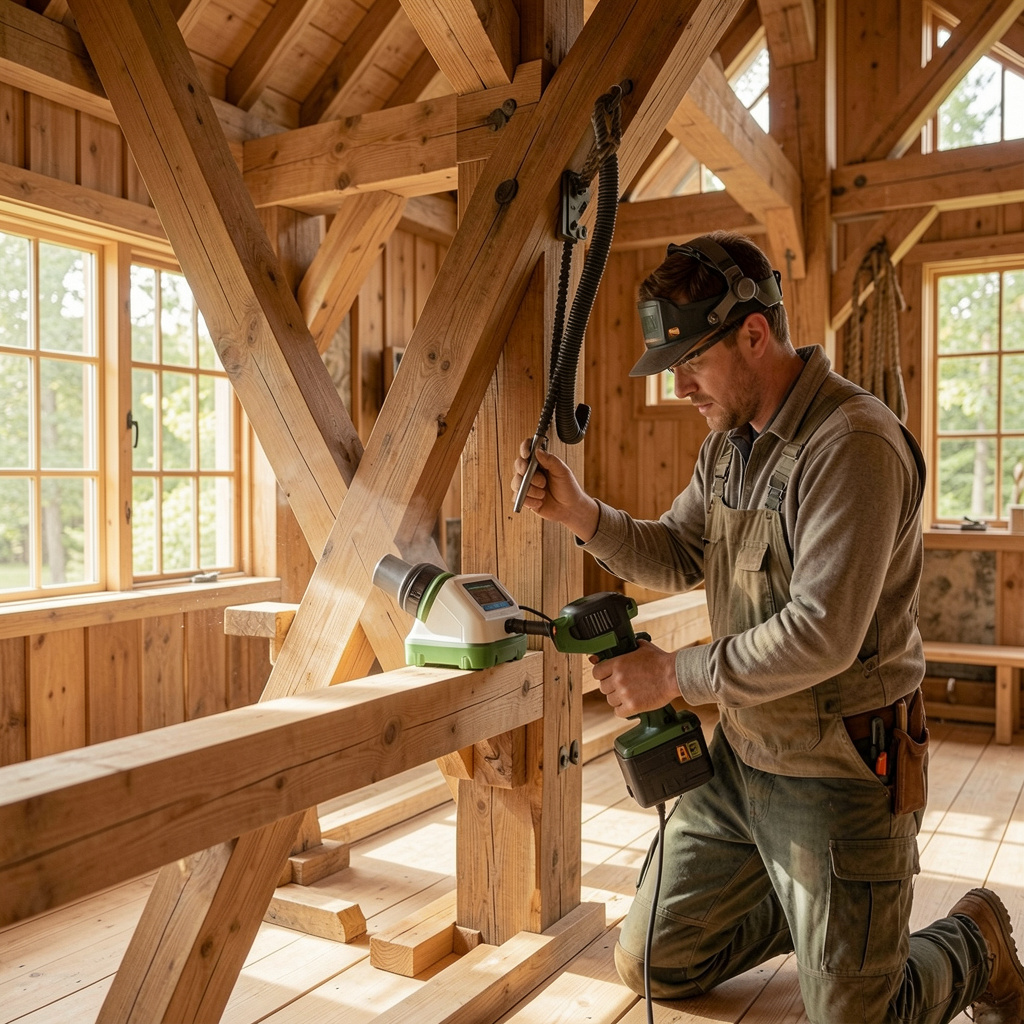
Wooden floors add warmth, beauty, and timeless style to a home. Whether you have hardwood flooring, traditional timber floors, or antique wooden boards, natural wood creates a comfortable and elegant living space. However, because wood is a natural material, flooring can become vulnerable to moisture, scratches, woodworm, mold, dirt buildup, and daily wear over time.
Many homeowners want to protect their wooden floors naturally, without relying heavily on harsh chemicals or strong treatments. The good news is that wooden floors can stay strong and beautiful with simple natural care methods, regular maintenance, and preventive habits.
By controlling moisture, improving ventilation, cleaning gently, and addressing small problems early, homeowners can greatly extend the life of their flooring.
Many homeowners researching timber care through shashel.eu/ understand that natural prevention is one of the best ways to keep wooden floors healthy and durable.
In this guide, we will explain how to protect wooden floors naturally and maintain them for years.
Keep Wooden Floors Dry
Moisture is one of the biggest threats to wooden flooring.
Why Moisture Causes Damage
Damp wood becomes vulnerable to:
- Mold
- Warping
- Woodworm
- Structural weakening
Helpful Prevention Tips
Clean spills quickly.
Watch for:
- Leaks
- Damp areas
Dry wood naturally lasts longer.
Fast action matters.
Many homeowners exploring timber care through shashel.eu understand that moisture control is one of the most important ways to protect wooden floors naturally.
Improve Indoor Ventilation
Healthy airflow helps protect timber.
Why Ventilation Matters
Good airflow helps:
- Reduce humidity
- Prevent moisture buildup
High-Risk Areas Include
- Basements
- Rooms with poor airflow
Dry environments naturally support healthier floors.
Simple improvements matter.
Clean Floors Gently
Gentle cleaning helps preserve wood naturally.
Why Gentle Cleaning Matters
Harsh cleaning methods may damage:
- Surface protection
Helpful Cleaning Habits
Regularly:
- Remove dust
- Clean carefully
Avoid:
- Excess water
Healthy floors require balanced care.
Consistency matters.
Use Rugs in High-Traffic Areas
Heavy foot traffic increases wear.
Helpful Places for Rugs
Protect areas such as:
- Hallways
- Entrances
Why This Helps
Rugs may reduce:
- Scratches
- Surface wear
Small habits improve floor lifespan.
Healthy flooring lasts longer.
Protect Floors From Furniture Damage
Furniture may damage wood over time.
Common Problems Include
- Scratches
- Pressure marks
Helpful Prevention Tips
Avoid dragging:
- Heavy furniture
Move items carefully.
Gentle handling protects flooring.
Balanced care matters.
Control Indoor Humidity
Indoor humidity affects timber health.
Why Humidity Matters
Too much moisture may encourage:
- Mold
- Wood swelling
Too little moisture may lead to:
- Drying
- Cracking
Helpful Solutions
Improve:
- Ventilation
Balanced indoor conditions support stronger floors.
Healthy homes matter.
Inspect Floors Regularly
Routine inspections help prevent major problems.
What to Watch For
Look for:
- Tiny holes in wood
- Cracks
- Weak areas
Why Early Detection Matters
Small warning signs often prevent expensive repairs later.
Fast action improves outcomes.
Many homeowners researching timber care through shashel.eu understand that routine inspections help protect flooring long term.
Watch for Woodworm Activity
Wood pests sometimes affect flooring.
Common Warning Signs Include
- Tiny holes
- Powdery dust (frass)
Why Fast Action Matters
Hidden infestation may weaken flooring over time.
Routine checks improve prevention.
Healthy timber discourages pests.
Protect Floors From Sunlight
Too much sunlight may weaken wood.
Common Problems Include
- Fading
- Drying
Helpful Prevention Tips
Avoid constant strong sunlight exposure.
Balanced indoor conditions improve durability.
Healthy floors look better longer.
Repair Small Damage Quickly
Minor floor damage often spreads.
Common Small Problems Include
- Small cracks
- Loose boards
Why Fast Repairs Matter
Early care prevents:
- Larger repairs
Prevention saves money.
Consistency matters.
Consider Natural Protective Maintenance
Routine care supports long-term durability.
Helpful Habits Include
- Keeping floors clean
- Staying alert to moisture
Why Prevention Matters
Healthy flooring lasts much longer.
Small efforts improve durability.
Balanced maintenance works best.
Common Mistakes Homeowners Make
Using Too Much Water
Excess moisture weakens wood.
Ignoring Small Cracks
Minor issues become larger later.
Skipping Inspections
Hidden damage goes unnoticed.
Ignoring Humidity
Poor conditions weaken timber.
Routine care improves protection.
Long-Term Benefits of Natural Floor Protection
Natural maintenance offers major advantages.
Benefits Include
- Longer floor lifespan
- Better appearance
- Lower repair costs
- Healthier indoor environments
Healthy floors improve the home.
Prevention saves money.
Conclusion
Protecting wooden floors naturally begins with moisture control, gentle cleaning, proper ventilation, regular inspections, and fast attention to small problems. Because timber flooring naturally faces wear, humidity, sunlight, and pest risks, prevention is one of the smartest ways to maintain durability.
Keeping floors dry, avoiding excess moisture, protecting high-traffic areas, and monitoring for warning signs all help extend flooring lifespan.